Griha Pravesh Food: A Simple Satvik Menu for the First Meal in Your New Home
Book My Cook · 4 November 2026 · 4 min read
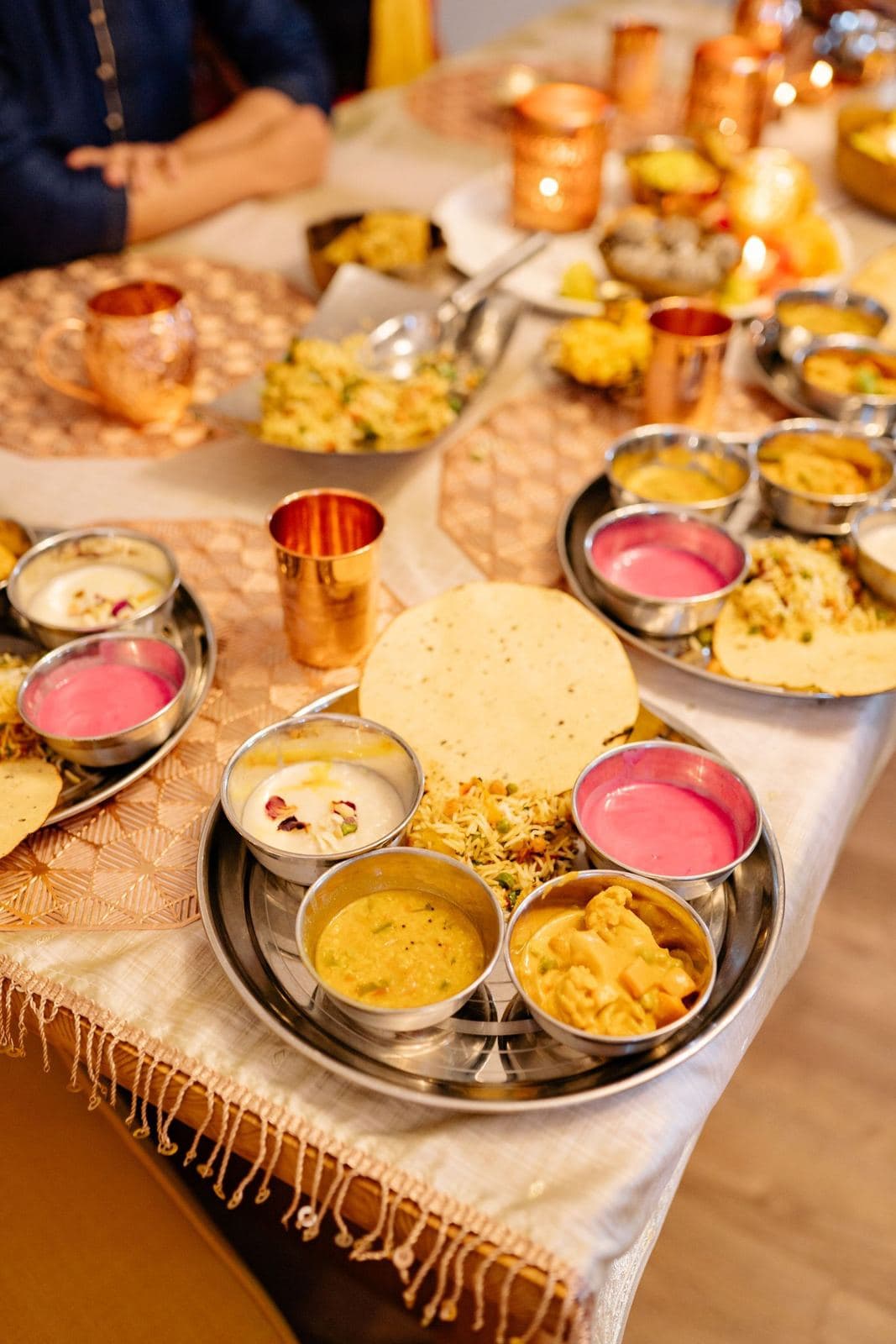
The first meal cooked in a new home carries more weight than most. For a lot of families it's part of the puja itself: milk is boiled on the new stove until it rises and spills over, a sign that the home will always have more than enough. Whatever's cooked that day is offered first and then shared with everyone who came to bless the house.
It also happens on one of the most hectic days you'll have. Boxes are half unpacked, the pandit has a muhurat to keep, and relatives are arriving. This guide gives you a simple menu that works for most families, plus a practical checklist so the kitchen is ready on the day.
A note before we start: customs differ from region to region, and even from family to family. If your elders or your pandit ask for something specific, go with that. Use this as a starting point.
Why the food is usually satvik
Many families keep the Griha Pravesh meal satvik: no onion, no garlic, and of course no meat or eggs. Flavour comes from ghee, ginger, hing, jeera, fresh coriander and tomatoes instead. Some families go further and cook a Jain menu without root vegetables, which means no potato, carrot or beetroot. Decide this early, because it changes almost every dish.
A simple menu for 15–30 guests
You don't need a long menu. Five or six dishes that are done well, served hot, will feel generous.
The sweet, made first
- Kheer, ideally from the milk boiled during the puja. Rice kheer with cardamom and a few strands of kesar is the classic.
- Or suji halwa or atta halwa if kheer isn't your family's tradition. Both are quick and easy to make in larger batches.
Mains
- Poori: the obvious choice for a festive meal, and easy to serve to a crowd.
- Aloo tamatar sabzi without onion or garlic. Hing, jeera and a little ginger are all it needs. (For a Jain menu, swap the potato for raw banana or paneer.)
- Kaddu ki khatti-meethi sabzi: pumpkin with a little jaggery and amchur, a natural pairing with poori.
- Chole or dal made satvik style, with ginger and tomato in place of onion.
- Jeera rice or plain rice, for guests who want something lighter.
On the side
- Boondi raita or plain dahi
- Green chutney, pickle and a simple salad of cucumber and tomato
Families from the South often cook sakkarai pongal (sweet pongal) as the first dish in the new kitchen, and many Bengali homes make payesh. Use what your family would make. The structure above works whatever the dishes are: one sweet, two or three mains, rice or bread, something cooling.
Get the kitchen ready the day before
This is the part that catches people out. A new kitchen often doesn't yet have the things you'd normally take for granted. Run through this list a day before:
- Gas: is the connection working, and do you have a full cylinder plus a spare? Running out halfway through frying pooris for 25 people is a real risk.
- Big vessels: a large kadhai for pooris, a big patila for kheer, a pressure cooker, and a tawa. Borrow from family if needed.
- Small tools: chakla-belan, a jhara (slotted spoon) for frying, ladles and knives.
- Serving: enough bowls and serving spoons for every dish, plus plates. Many families use steel or disposable eco plates on this day.
- Water: drinking water for guests and enough water in the kitchen for washing up.
- Groceries: buy everything on the menu the day before, including ghee, sugar, milk for kheer, flour for pooris and fresh vegetables.
Plan the timing around the muhurat
Find out from your pandit when the puja starts and roughly when it finishes. The usual order is:
- Milk is boiled during the puja.
- The sweet and any bhog for the puja are ready first.
- The sabzis and dal are cooked while the puja is going on.
- Pooris are fried last, just before serving, so they're still puffed and hot.
Work backwards from the time you want to serve. For 25 guests, the cooking itself takes a few hours, so whoever is cooking needs to start well before the puja ends.
Having a chef cook it for you
On a Griha Pravesh, the host is usually busy with the puja and welcoming guests, which is exactly when cooking for 25 is hardest. That's where a chef for your Griha Pravesh helps. With BMC Feast:
- you choose the menu from the dish list, or just say how many sweets, mains and sides you want and let the chef plan it,
- you set the food preference to Jain or no onion-garlic and every dish is cooked that way, at no extra cost,
- the chef cooks fresh in your new kitchen using your groceries, and arrives early enough for the size of the menu,
- you see the full price before you pay.
Book at least a few days ahead if you can. You can book up to 60 days in advance, which is useful when the muhurat is fixed weeks before.
May your new home always have enough, and a little extra.